How Air Duct Cleaners Target Allergens You Can’t See
Air quality within homes and offices plays a crucial role in health and wellness, particularly for those who suffer from allergies. This article explores how professional air duct cleaning services work to identify and eliminate allergens that are invisible to the naked eye, thereby improving indoor air quality. Allergens like dust mites, pollen, and mold spores can accumulate in air ducts and continually be recirculated, affecting sensitive individuals. For homeowners and office managers, understanding how these particles impact daily life and health is critical to making informed decisions about air duct maintenance. With professional intervention from experienced air duct cleaners, air duct cleaning offers a vital service that goes beyond basic housekeeping, ensuring cleaner and healthier living spaces.
Understanding Invisible Allergens
Airborne allergens are minute particles that float in the air and can cause allergic reactions in susceptible individuals. They are often invisible to the naked eye, making them difficult to detect without specialized equipment. These allergens include pollen, dust mites, mold spores, and pet dander, all of which can trigger symptoms like sneezing, coughing, and eye irritation. Exposure to these allergens can have a cumulative effect, particularly for those with existing respiratory conditions. Managing indoor allergens requires an understanding of their properties and effective strategies to minimize exposure.
Invisible allergens often originate from a variety of sources within homes and offices. Pollen can enter through open windows and doors, while dust mites thrive in upholstery and bedding. Mold spores grow in damp areas, like bathrooms and basements, and pet dander settles on surfaces and in the air. In many cases, these allergens are exacerbated by poor ventilation, which allows them to accumulate over time. Because they're not easily visible, they can continue to cause discomfort without a clear source being identified.
Exposure to airborne allergens can significantly impact health, particularly for individuals with asthma or allergy sensitivities. Common symptoms include nasal congestion, wheezing, and skin rashes, which can worsen with prolonged exposure. Children, the elderly, and those with compromised immune systems are particularly vulnerable. According to the American Lung Association, indoor air can be 2 to 5 times more polluted than outdoor air, underscoring the importance of addressing indoor allergens. By improving air quality, individuals can reduce health risks and enhance overall well-being.
The Role of Air Ducts in Allergen Accumulation
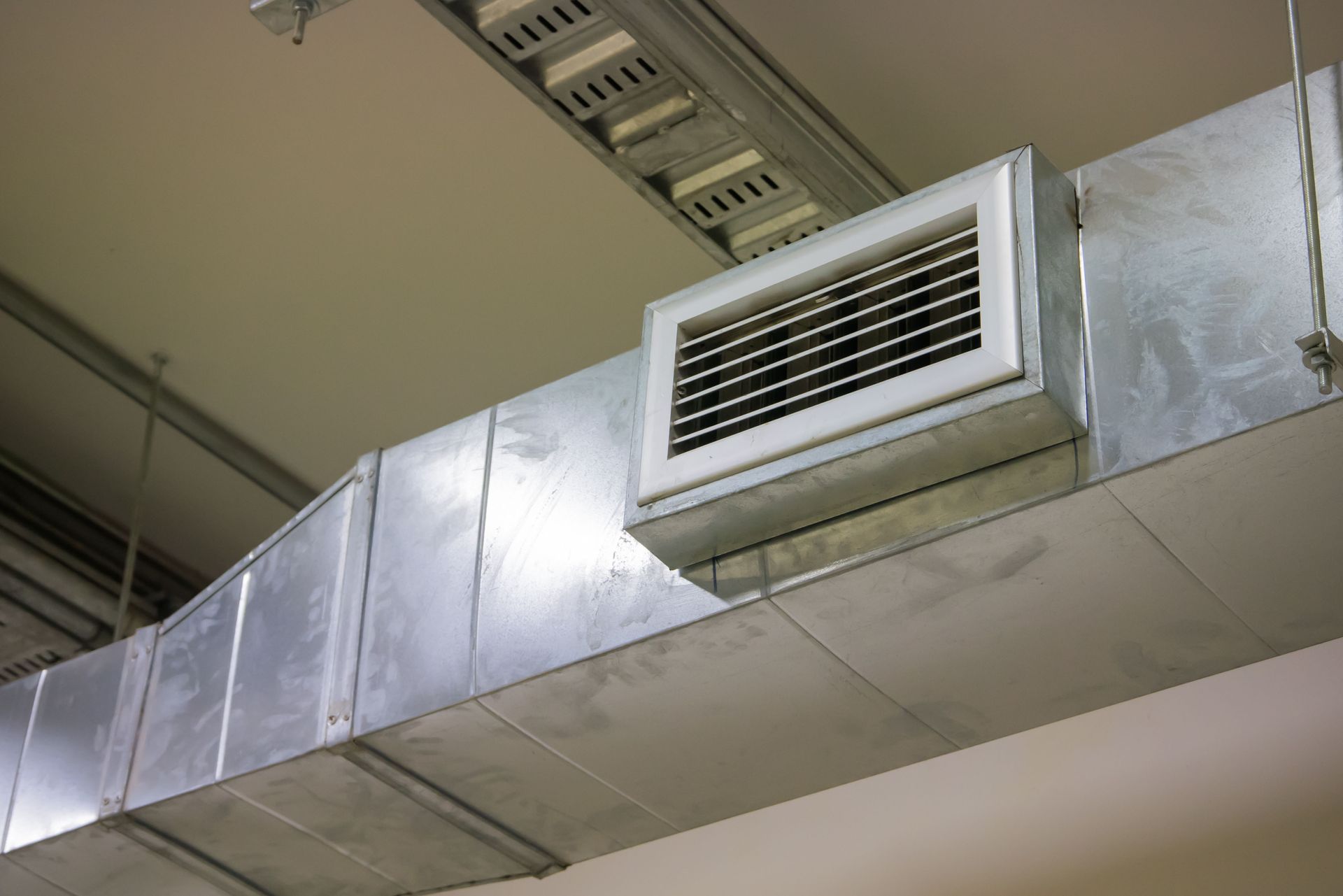
Air ducts are integral components of HVAC systems, facilitating the circulation of air throughout buildings. They transport the conditioned air from the system into rooms, ensuring uniform temperature and air quality. Over time, however, dust, debris, and allergens can accumulate within these ducts. When the system operates, these particles are redistributed into the environment, degrading air quality. This is why many homeowners rely on trained air duct cleaners to prevent buildup from becoming a persistent health problem.
The structure of air ducts makes them prime environments for the accumulation of allergens. Dust mites, pollen, and spores can easily settle within the ducts' narrow, difficult-to-clean surfaces. Moisture within the ducts can further promote the growth of mold, releasing spores into the air whenever the system runs. This constant cycle of allergen buildup and dispersal can exacerbate symptoms in individuals prone to allergies.
Maintaining clean air ducts is essential for safeguarding indoor air quality and protecting health. Clean ducts ensure that the air circulating through homes or offices is free from harmful allergens and pollutants. Regular cleaning reduces the presence of allergens such as dust and mold, which can otherwise lead to respiratory issues and other health complications. Additionally, clean ducts contribute to the efficient performance of HVAC systems, reducing energy costs and prolonging system lifespan.
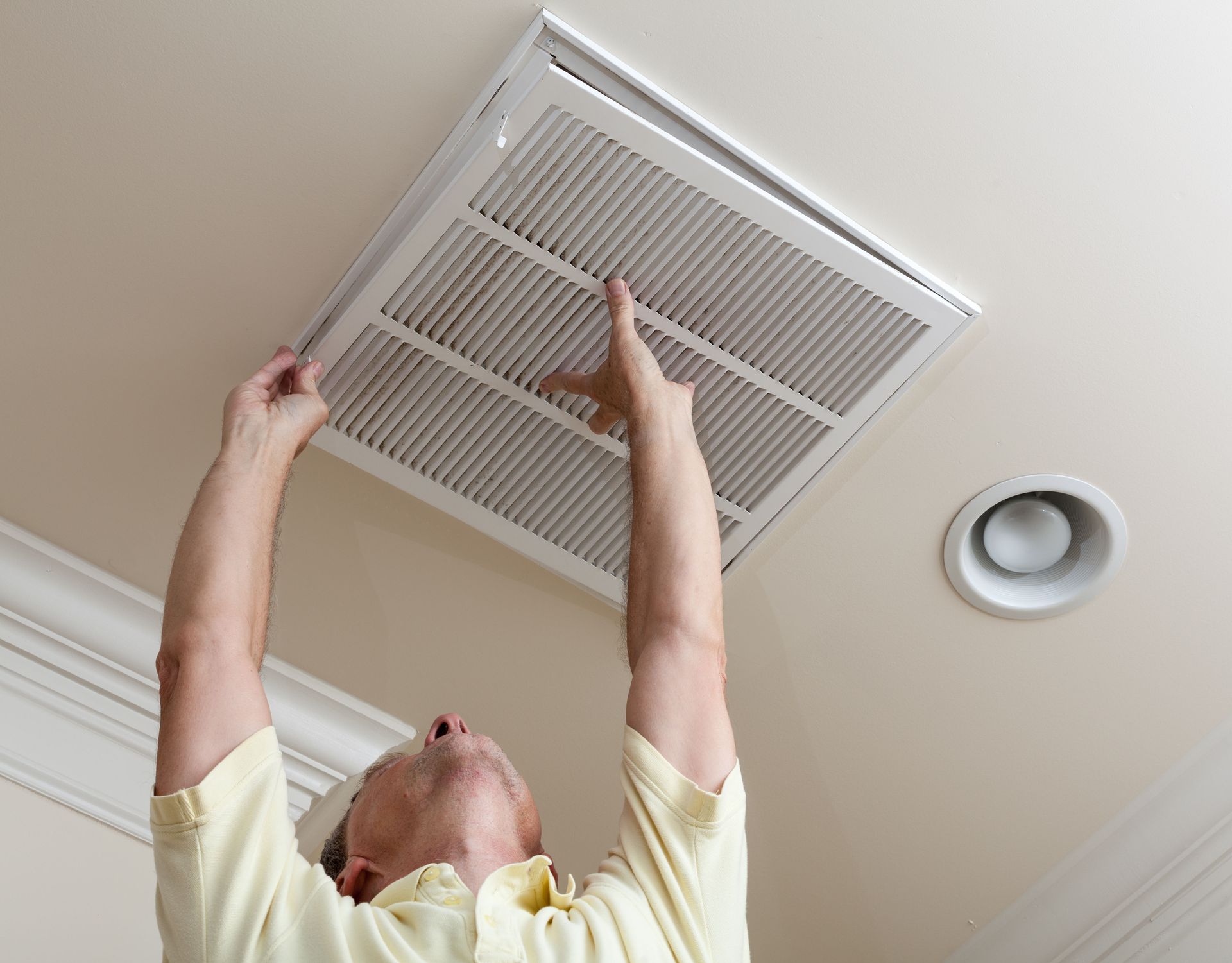
Several signs may indicate that air ducts require cleaning, including visible dust buildup around vents and registers. A noticeable increase in allergy symptoms can also suggest that allergens are being circulated by the HVAC system. Additionally, a musty smell when the system is running could indicate mold growth within the ducts. Unexplained spikes in energy bills might be another sign that dirt and debris are obstructing airflow.
Advanced Techniques for Identifying Invisible Allergens
Identifying invisible allergens requires specialized detection equipment capable of analyzing air quality at a microscopic level. Devices like particle counters and air quality monitors can detect the presence and concentration of allergens, offering a detailed overview of indoor air. These tools are invaluable for pinpointing specific allergen sources, allowing for targeted remediation strategies used by professional air duct cleaners.
Another critical method for identifying allergens is air sampling, whereby samples of indoor air are collected and analyzed for the presence of allergens. Laboratory analysis can identify specific allergens, such as pet dander, mold spores, and pollen, offering detailed insights into indoor air conditions. These analyses are essential for diagnosing the severity of allergen presence and formulating specific cleaning strategies.
While some homeowners attempt DIY air duct inspections, several limitations make this approach less effective than professional evaluations. Homeowners typically lack the necessary tools and expertise to accurately detect and assess invisible allergens within duct systems. Without a precise understanding of the duct system and potential allergens, DIY efforts may lead to inadequate cleaning and persistent health issues.
Methods Used by Professionals to Clean Air Ducts
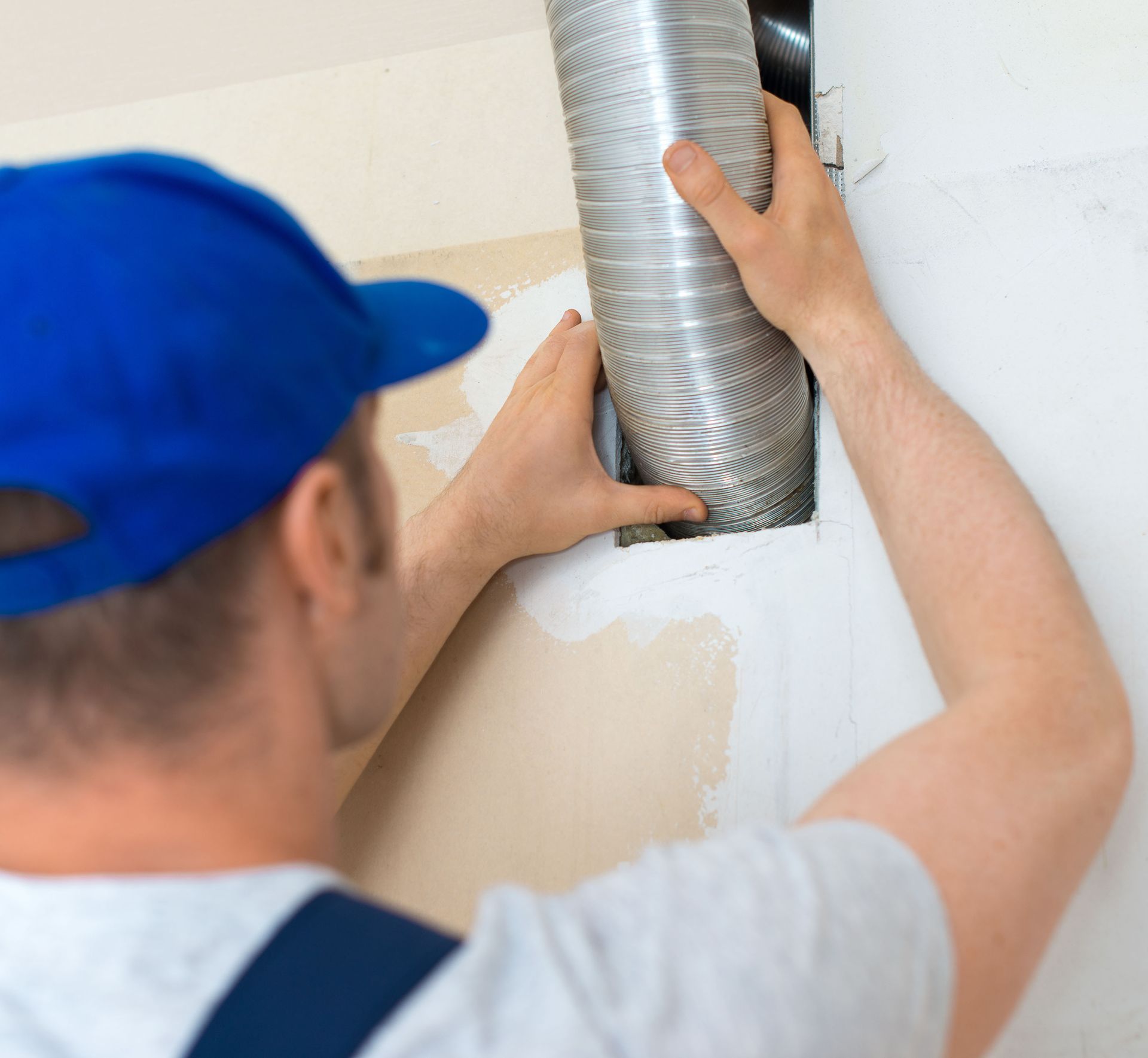
Professional air duct cleaners employ a range of mechanical tools designed for deep cleaning and allergen removal. These tools, such as rotary brushes and high-powered vacuums, are capable of removing stubborn debris lodged within ductwork. The use of these specialized tools ensures that all areas of the ducts are thoroughly cleaned, minimizing allergen presence.
High-efficiency particulate air (HEPA) filters are often employed during the cleaning process to capture fine particles and allergens effectively. These filters can trap particles as small as 0.3 microns, ensuring the highest level of air purification available. Professionals use HEPA filtration to enhance the thoroughness of their cleaning, preventing loose particles from resettling in the ducts.
Importance of Regular Air Duct Cleaning
Regular air duct cleaning provides substantial health benefits by reducing exposure to allergens. By eliminating dust, mold spores, and other particulates, professional air duct cleaners help mitigate symptoms like itching, sneezing, and respiratory distress. The improved air quality supports better overall wellness, particularly for allergy sufferers.
Clean ducts facilitate better airflow, reducing the workload on HVAC systems and leading to lower energy consumption. This not only translates to reduced utility bills but also extends the lifespan of expensive equipment by preventing premature wear and tear.
Choosing the Right Air Duct Cleaning Service
When selecting an air duct cleaning service, assessing certifications and professional qualifications is crucial for ensuring quality and safety. Reputable air duct cleaners will hold industry-standard certifications that indicate compliance with established practices and guidelines. These credentials help build trust and assure property owners that the job will be completed correctly.
Customer reviews and testimonials provide insight into reliability, professionalism, and service quality. Evaluating feedback allows homeowners and businesses to make confident decisions when choosing a provider.
Maintaining clean air ducts is a vital part of protecting indoor air quality and supporting respiratory health. By removing the allergens that quietly circulate through HVAC systems, air duct cleaners help create safer and more comfortable living and working environments. Regular professional cleanings also reduce dust buildup that can strain your HVAC equipment and limit airflow throughout the property. Contact our team at Healthy Air Duct Cleaning & Mold Remediation today and learn more about our air duct cleaning services.




Share On: